It’s fall time! The days are getting shorter, temperatures are dropping, pumpkins are in season, and the leaves are changing color. What a beautiful sight, especially here in Western North Carolina, when the leaves turn yellow, red, orange, and purple. But with this breathtaking view, there is one caveat that some people dread: FALLEN LEAVES ON THE LAWN!!
To Rake or Not to Rake?
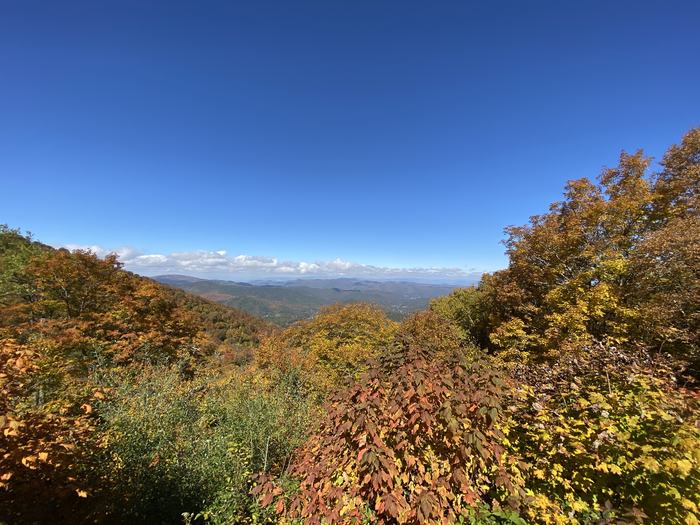
Fall color in Western North Carolina
When leaves fall, they provide tons of benefits to the environment and wildlife. Leaves carry various nutrients within them. As leaves decompose, the nutrients are released. Depending on where the leaves are, in the yard or in a compost pile, the nutrients from the leaves will be available for other plants to use. Also, fallen leaves provide great homes for various organisms such as spiders, moths, earthworms, snails, and smaller mammals and birds. There is one concern we have to look at when it comes to leaves laying on your lawn: the thickness of the leaf layer on top of the grass.
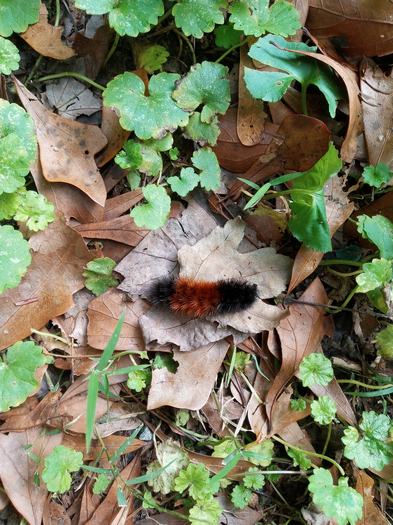
Woolly Worms can be found in leaf litter
Depending on how thick the layer of leaves is will determine what type of management strategy you should use. If your lawn is covered 20 percent or less by leaves, this is an acceptable range to just leave the leaves alone. These leaves are sparse enough that the grass is able to get the correct amount of sunlight and airflow needed to live. If your lawn is covered 50 percent by leaves, raking is not a necessity either. To manage leaves at this amount, you can use a lawn mower to chop the leaves into smaller pieces. These leaf pieces will then make their way between the grass and decompose over time and release their nutrients back into the soil.
For lawns where the leaves blanket the ground so much that you cannot see any grass is when you have to start managing the leaves ASAP. When there is a thick layer of leaves on top of your lawn, this restricts the amount of sunlight and airflow the grass receives. Ultimately, if the leaves are not removed, they will smother your grass. To manage this, you don’t have to go and rake every single leaf. Rake a large portion of the leaves off of your lawn. With the rest of the leaves, you can use a lawn mower and chop them up into smaller pieces. For the leaves that you raked up, you can use them as compost, mulch, or just discard them away from your lawn.
*One important note to remember is if the fallen leaves from the tree have a significant amount of foliar disease on them, they should be removed from the area and disposed of.
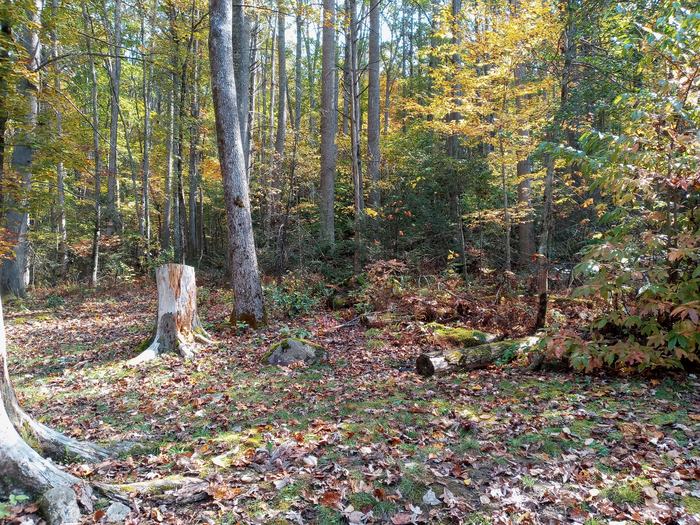
Fallen leaves covering ground
As the leaves change color, enjoy them and don’t dread what is coming next. Using these management strategies can help relieve you of the chore of raking leaves constantly. Just keep an eye on them and use the management strategy that works best for your lawn.
Join our mailing list!
Enter your email address to receive updates.
Written By